
Redefining womanhood: combating gender discrimination in contemporary Yorùbá and Afro-Brazilian popular music
Barra lateral del artículo
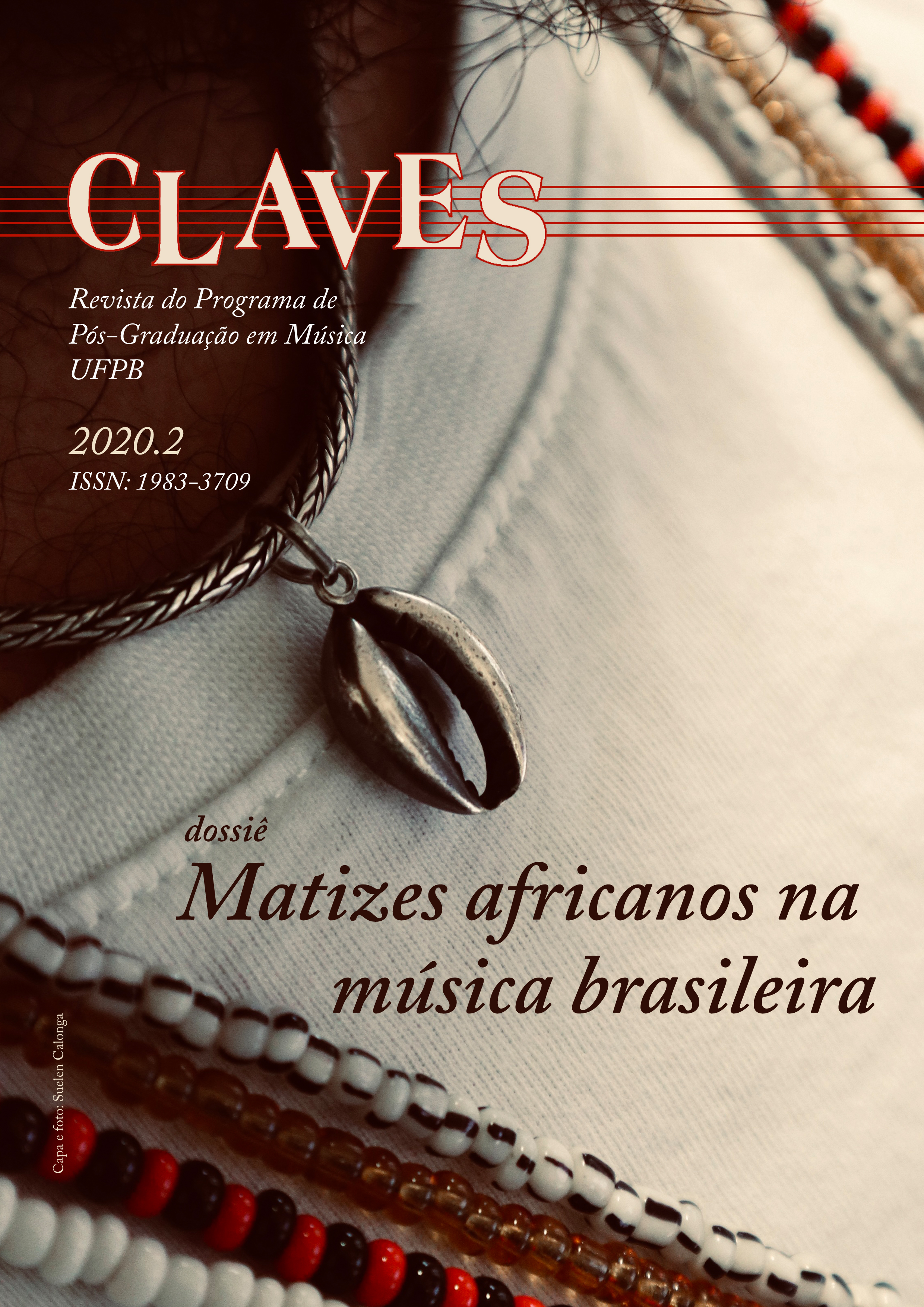
Contenido principal del artículo
Resumen
Some of the seventeen sustainable development goals of the United Nations to transform our world are directly linked to gender equality as well as economic and political empowerment of women. These are seen as a tool to resolve certain world problems like poverty, gender discrimination and oppression, underdevelopment among others. Likewise, gender studies scholars and feminists have focused on deconstructing the agency of discrimination and its use of language in feminine subordination, making it imperative to attempt a proper deconstruction and demystification of language as a weapon in combating gender inequalities. The present paper seeks to undertake a feminist analysis of womanhood and the language used to construct the concept of womanhood as a weapon to combat gender discrimination in contemporary Yorùbá and Afro- Brazilian societies through musical expressions. The corpus of the study is comprised of the songs, “Obìrin ni mi” by Shola Allyson Obaniyi, and “Mulher” by Mariene de Castro.
Descargas
Detalles del artículo
A Licença da Creative Commons (CC): CC BY 4.0 é aplicada a revistas eletrônicas, com a qual os autores declaram concordar ao fazer a submissão.
Os autores são os detentores dos direitos autorais (copyright) de seus textos e concedem direitos de uso para outros que são livres para:
- Compartilhar — copiar e redistribuir o material em qualquer meio ou formato;
- Adaptar — remixar, transformar e construir sobre o material.
Sob os seguintes termos:
- Atribuição — Você deve dar o crédito apropriado, fornecer um link para a licença e indicar se foram feitas alterações. Você pode fazer isso de qualquer maneira razoável, mas não de qualquer maneira que sugira que o licenciante endosse você ou seu uso;
- Não Comercial — Você não pode usar o material para fins comerciais.
Recomendamos aos autores que, antes de submeterem os manuscritos, acessem os termos completos da licença.