COEXISTENCE WITH THE SEMI-ARID REGION AS AN EXPRESSION OF GOOD LIVING:
WEAVING A PEASANT EPISTEMOLOGY
DOI:
https://doi.org/10.22478/ufpb.2447-9837.2025.n19.72052Abstract
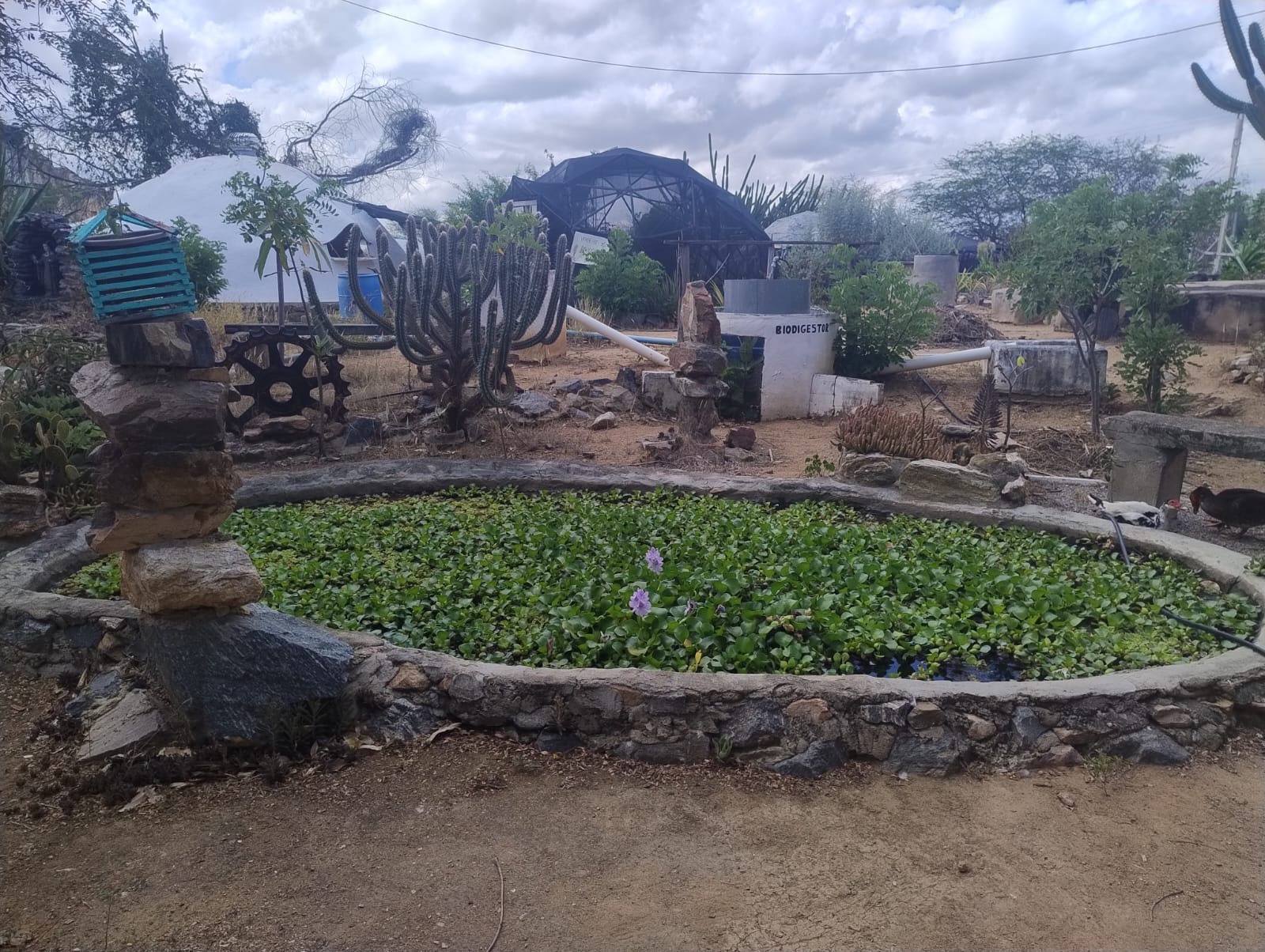
The epistemicide caused by an extractive, colonial development model has brought to the center of the debate the problem of the disappearance of traditional peasant wisdom, due to the hegemony of agribusiness as an imperial economic mode. This paper’s fundamental idea is to identify popular or traditional practices and/or knowledge that, throughout modernity, founded peasant agriculture, as well as the body-territories of the farmers at the Agroecological Fair of Sumé-PB, Northeast Semiarid of Brazil. The objective of this text is to report the experiences within the scope of the Fair. It is also relevant to approach the theme of this research from the point of view of the subjects there studied. The research was therefore guided by the light of participatory research (Brandão, 1981), making use of fieldwork tools such as coexistence, creation and lived experience in order to give visibility to knowledge from an epistemological and political perspective of coexistence with the semi-arid region as a practice of good living. This reflection contributed to understanding how traditional knowledge offers multiple ways of supporting agroecology as a science and policy for life.
KEYWORDS: Traditional Knowledge. Family Farming. Agroecological Fair
Downloads
Downloads
Published
How to Cite
Issue
Section
License
- Autores mantém os direitos autorais e concedem à revista o direito de primeira publicação, com o trabalho simultaneamente licenciado sob a Licença Creative Commons Attribution que permite o compartilhamento do trabalho com reconhecimento da autoria e publicação inicial nesta revista.
- Autores têm autorização para assumir contratos adicionais separadamente, para distribuição não-exclusiva da versão do trabalho publicada nesta revista (ex.: publicar em repositório institucional ou como capítulo de livro), com reconhecimento de autoria e publicação inicial nesta revista.
- Autores têm permissão e são estimulados a publicar e distribuir seu trabalho online (ex.: em repositórios institucionais ou na sua página pessoal) a qualquer ponto antes ou durante o processo editorial, já que isso pode gerar alterações produtivas, bem como aumentar o impacto e a citação do trabalho publicado (Veja O Efeito do Acesso Livre).