
Micropolitics of Fibromyalgia Experience in the Contemporary Capitalism:
Poverty, Diagnoses, and Subjectivation
DOI:
https://doi.org/10.22478/ufpb.2447-9837.2026.n21.76501Abstract
This study describes and analyzes the experiences of people living with fibromyalgia, focusing on two central processes within contemporary capitalism: the formation of knowledge about the disease through the lived experience of symptoms, and the consequences of this for subjectivation in contexts of vulnerability and poverty. It seeks to understand the relationship between the physiological sensation of pain and the explanations constructed to organize it—in both physical and meaningful terms—amidst severe financial constraints. This occurs primarily through a direct interaction with biomedical knowledge and the precarious state of the public health system. It is observed that therapeutic itineraries are enhanced by material and bodily agencies under the aegis of the economic system. This experience of the disease emerges through a micropolitics based on family and labor dynamics centered on the expectation of a return to productivity, revealing how the conception of knowledge about the illness becomes central to the fibromyalgia experience. This production of knowledge provides a field of possibilities for the ill, as it offers the tools to understand their suffering and provide elucidations regarding it, given a scenario of collective pressures. The article is based on ongoing ethnographic research involving the observation of therapeutic itineraries and interactions in public and private health services in Rio Grande do Norte, supported by open-ended, in-depth interviews.
Keywords: Fibromyalgia. Knowledge. Capitalism. Subjectivation.
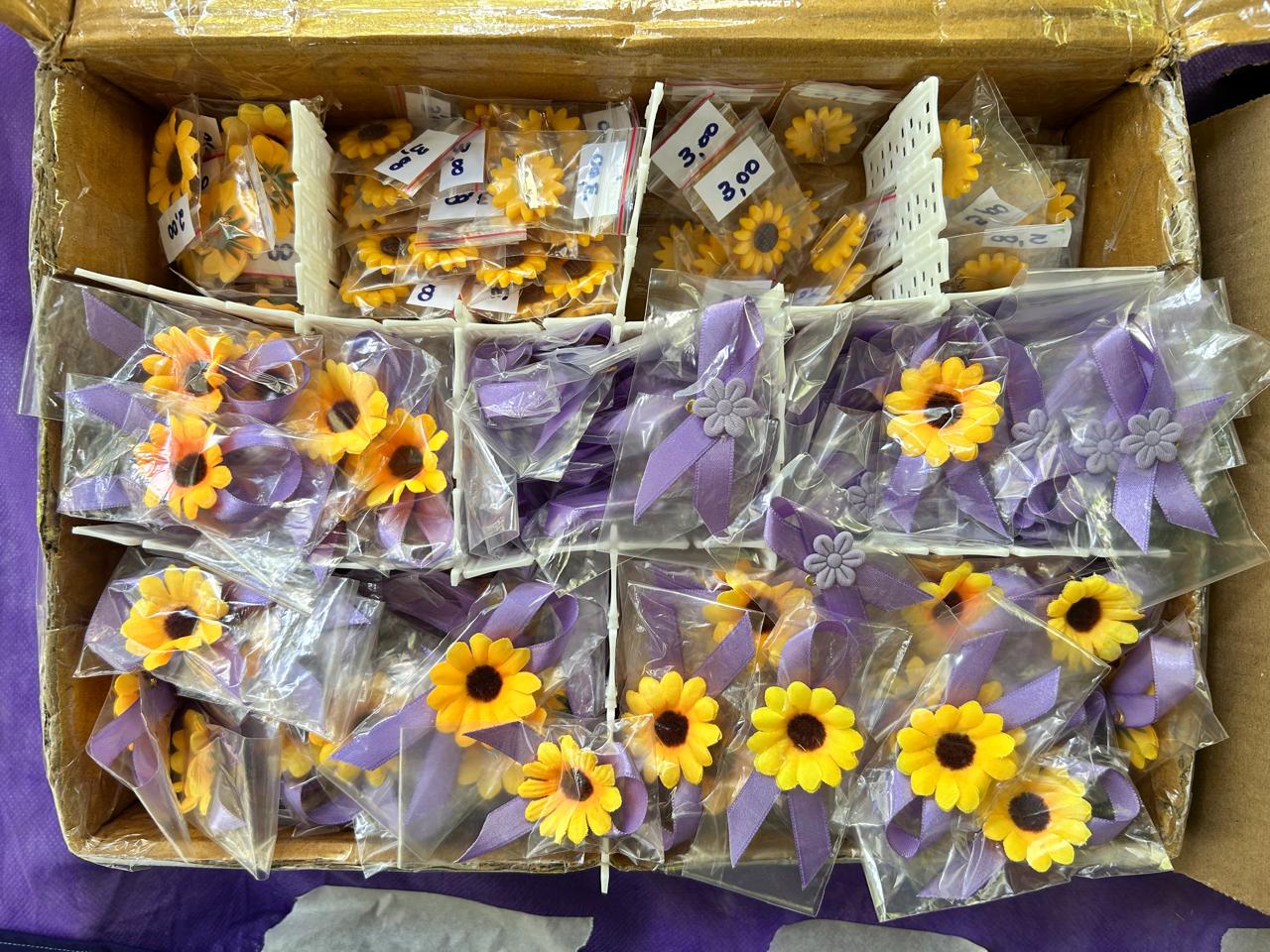
Artwork cover: Photography by Francisco Cleiton Vieira, dated 2026, taken during ethnographic fieldwork while accompanying a public activity organized by GAMF (Grupo de Apoio Mútuo aos Pacientes Fibromiálgicos e de Dor Crônica) in Natal, Rio Grande do Norte, Brazil.
Downloads
Downloads
Published
How to Cite
Issue
Section
License
- Autores mantém os direitos autorais e concedem à revista o direito de primeira publicação, com o trabalho simultaneamente licenciado sob a Licença Creative Commons Attribution que permite o compartilhamento do trabalho com reconhecimento da autoria e publicação inicial nesta revista.
- Autores têm autorização para assumir contratos adicionais separadamente, para distribuição não-exclusiva da versão do trabalho publicada nesta revista (ex.: publicar em repositório institucional ou como capítulo de livro), com reconhecimento de autoria e publicação inicial nesta revista.
- Autores têm permissão e são estimulados a publicar e distribuir seu trabalho online (ex.: em repositórios institucionais ou na sua página pessoal) a qualquer ponto antes ou durante o processo editorial, já que isso pode gerar alterações produtivas, bem como aumentar o impacto e a citação do trabalho publicado (Veja O Efeito do Acesso Livre).